
If you filed your 2025 taxes by April 15 or submitted an extension, the hardest part is behind you. But for small business owners, the tax calendar does not stop there. More deadlines are coming, quarterly estimated payments do not wait, and if this season felt chaotic, now is actually the best time to think about what systems could make next year run smoother.
Here is what you need to know about the deadlines ahead and how to stay ahead of them.
What Just Happened: April 15 Recap
April 15, 2026 was a significant deadline for most small business owners. Here is what was due:
- Sole proprietors and single-member LLCs: 2025 income tax return (Schedule C on Form 1040) or extension (Form 4868)
- C corporations: 2025 income tax return (Form 1120) or extension (Form 7004)
- Q1 2026 estimated tax payment: the first quarterly installment for the current tax year
- Last day to contribute to an IRA, Roth IRA, HSA, or SEP IRA for the 2025 tax year (SEP IRA and solo 401(k) deadlines can be extended if you filed Form 4868)
If you filed for an extension, remember: an extension gives you more time to file your paperwork, not more time to pay. Any taxes owed were still due on April 15. If you did not make an estimated payment alongside your extension, interest and penalties may already be accruing.
What Is Coming Next: The Deadlines You Cannot Miss
April 30, 2026 — Form 941 (Payroll Tax Return)
If you have employees, Form 941, the Employer’s Quarterly Federal Tax Return, is due April 30. This form reports wages paid, federal income tax withheld, and both the employer and employee shares of Social Security and Medicare taxes for Q1 (January through March). Missing this deadline triggers penalties starting at 5% of unpaid taxes per month, so do not let it slip.
One exception: if you deposited all required payroll taxes on time throughout Q1, the IRS gives you until May 11, 2026 to file.
April 30, 2026 — FUTA Q1 Deposit (if applicable)
If your Federal Unemployment Tax Act (FUTA) liability exceeded $500 in Q1, your deposit is also due by April 30. If you are under $500, you carry the balance forward until it crosses that threshold.
June 15, 2026 — Q2 Estimated Tax Payment
The second quarterly estimated tax payment of 2026 covers income earned from April 1 through May 31. This deadline applies to sole proprietors, partners, S corporation shareholders, and others who expect to owe $1,000 or more in federal taxes for the year. Mark it now, because it will arrive fast.
September 15, 2026 — Q3 Estimated Tax Payment + Extended S Corp / Partnership Returns
September 15 is a double deadline. Q3 estimated taxes are due, and if you filed an extension for your S corporation or partnership return back in March, this is your final deadline to submit those returns.
October 15, 2026 — Extended C Corp and Individual Returns
If you filed a six-month extension in April, October 15 is your absolute last day to file your 2025 C corporation or individual income tax return. There is no further extension beyond this date.
Staying Ahead of Quarterly Estimated Taxes
Quarterly estimated taxes trip up a lot of small business owners, not because they are complicated, but because income can be unpredictable. A strong Q1 can leave you scrambling in April if you did not set money aside along the way.
A common rule of thumb is to set aside 25 to 30 percent of every payment you receive into a separate account designated for taxes. Your actual percentage will depend on your tax bracket, self-employment tax obligations, state taxes, and any deductions you expect to take. Working with a CPA early in each quarter, rather than right before the deadline, gives you time to adjust.
The IRS also has a safe harbor rule: if you pay at least 100% of what you owed last year (or 110% if your prior-year adjusted gross income exceeded $150,000), you generally avoid underpayment penalties even if you end up owing more when you file. This can be a helpful backstop when income is hard to predict.
How Finli Helps You Stay on Top of Your Numbers All Year
One of the biggest challenges with estimated taxes is simply not knowing what you have earned until it is too late to plan. Chasing down invoices, manually tracking payments, and piecing together income from multiple sources each quarter is time-consuming and leaves too much room for error.
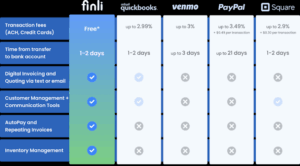
If this tax season felt stressful, that is a signal worth paying attention to. The right systems, put in place now, can make a real difference by the time Q2 rolls around. With Finli, you can have fraud-protected invoicing, real-time visibility into your income, and a cleaner picture of your cash flow working for you before the next deadline arrives. Learn more at finli.com.
Key Dates to Keep on Your Radar
- April 30 — Form 941 Q1 payroll tax return due (or May 11 if deposits were timely)
- April 30 — FUTA Q1 deposit due if liability exceeds $500
- June 15 — Q2 2026 estimated tax payment
- September 15 — Q3 2026 estimated tax payment; extended S corp and partnership returns due
- October 15 — Extended C corp and individual returns due