
A consulting firm applies for a $50,000 line of credit. They’ve been in business for 14 months, revenue is growing, and they have a solid client base. But the file is thin: one year of tax returns, limited business credit history, and no collateral beyond accounts receivable. The application gets declined. The business owner is disappointed but not surprised. They move on, find alternative funding through an online lender, and quietly build their operations on platforms that have nothing to do with your institution. Two years later, that consulting firm is generating $600,000 in annual revenue with healthy margins and a diversified client base. They’re exactly the kind of customer you want. But the relationship ended at the decline letter.
This pattern is more common than most institutions realize. 44% of small businesses don’t even apply for loans because they assume they won’t qualify. Among those who do apply, many early-stage or thin-file businesses get declined based on limited historical data. The decline is often the right credit decision at that moment. But it doesn’t have to be the end of the relationship.
The businesses you decline today include some of your most valuable future customers. The question is whether they’re still around when they’re ready for lending, or whether the decline was the last interaction they had with your institution.
(Source: Canopy Small Business Lending Statistics 2025)
What Happens After a Decline
For most financial institutions, a lending decline is the end of a conversation. The application is closed, the file is archived, and the business owner walks away with a negative experience that shapes their perception of the institution for years.
The emotional impact of rejection sticks. Businesses denied for insufficient revenue or limited history three years ago often don’t realize they now easily exceed typical lending thresholds. They don’t reapply because the memory of the decline is stronger than any marketing message encouraging them to try again. The institution loses not just the original loan but every future lending opportunity with that business.
Meanwhile, the business still needs operational support. Even when a business isn’t ready for a loan, they still need to send invoices, collect payments, manage customers, and monitor cash flow. These needs exist regardless of credit readiness. The institution that meets these needs maintains the relationship through the period when the business is building the track record that will eventually make them creditworthy.
The alternative is what usually happens: the business finds operational tools elsewhere, builds its financial life on external platforms, and by the time they’re ready for lending, they’ve established a primary financial relationship with someone else.
Keeping the Relationship Through Operational Tools
The most valuable thing a financial institution can do after a lending decline is give the business a reason to stay engaged. Not a consolation product. Not a lower-tier account. A genuinely useful tool that solves a daily operational problem.
When a declined business starts using your institution’s invoicing, payment collection, and customer management tools, several things happen simultaneously. The business owner’s experience with your institution shifts from a single negative interaction to ongoing daily value. Instead of the decline defining the relationship, the operational tools do.
Your institution gains visibility into the business’s actual performance over time. You can see revenue trends, collection efficiency, customer acquisition, and cash flow patterns in real time. This operational data is exactly what was missing from the original loan application. After six or twelve months of platform activity, you have a richer, more current picture of the business than any tax return could provide.
The lending conversation can restart from a position of mutual understanding. When a relationship manager reaches out and says, “I can see your revenue has grown 40% over the past year and your collection times are strong. Let’s revisit that credit line,” the business owner experiences something rare: a bank that paid attention to their growth and came back with a relevant offer. That conversation builds more loyalty than the original loan ever would have.
59% of small businesses sought financing in the past year. Many of the ones who didn’t get it from your institution got it somewhere else. Maintaining the operational relationship ensures that the next time they need capital, you’re the first conversation rather than an afterthought.
(Source: Federal Reserve Small Business Credit Survey 2024)
The Data That Changes the Credit Decision
Traditional underwriting relies on backward-looking data: tax returns, financial statements, credit scores. These are important, but they’re especially limited for early-stage businesses that haven’t accumulated enough history to tell a complete story.
Operational data fills the gap. When a business processes payments and sends invoices through your platform, you gain forward-looking intelligence that traditional files can’t provide. You can see whether revenue is growing or declining in real time, not as a year-old snapshot. You can see collection efficiency, which predicts cash flow reliability better than any balance sheet. You can see customer concentration and diversification, which reveals risk that financial statements aggregate away.
This data doesn’t replace traditional underwriting. It supplements it in ways that are especially valuable for the businesses most likely to be declined on thin files. A business with 12 months of strong operational data on your platform is a very different credit prospect than the same business with nothing but a single tax return, even though the underlying business is identical.
47% of small business clients cite dedicated relationship manager support as a top criterion for choosing their primary bank. For declined businesses, that support means staying involved in their growth rather than disappearing after the rejection.
(Source: McKinsey Banking Matters)
How Finli Keeps Declined Businesses in Your Ecosystem
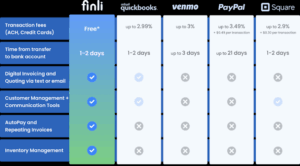
Finli provides the operational platform that gives declined businesses a reason to stay engaged with your institution. When a lending application can’t be approved today, your relationship manager can offer integrated invoicing, payment processing with 0% ACH fees, AutoPay, automated reminders, customer management, and real-time cash flow visibility, all under your brand.
The business gets daily operational value from your institution. Your institution gets real-time visibility into their performance. And when the business is ready for lending, whether that’s six months or two years later, the data to support a stronger credit decision is already there.
Finli integrates with Q2 and Jack Henry, requires no developer resources, and launches in under 24 hours.
Takeaways
A lending decline doesn’t have to end the relationship. Many of the businesses you decline today will be strong, creditworthy customers within a year or two. The institutions that maintain those relationships through operational tools, rather than letting the decline be the final interaction, will capture significant future lending and deposit value.
Operational platforms give declined businesses daily value while generating the real-time performance data that strengthens future credit decisions. When a business has six or twelve months of payment activity, revenue trends, and collection data on your platform, the next lending conversation starts from a fundamentally different place than the original application.
The businesses you decline are not lost prospects. They’re future customers whose timeline hasn’t arrived yet. Keep them engaged, watch them grow, and be ready when they’re ready.