
Over half of all small businesses need financing, yet only 34% actually applied for loans in 2024. This gap isn’t about creditworthiness. It’s about timing, visibility, and the disconnect between how businesses experience financial needs and how lending processes work.
Financial institutions can close this gap by using real-time operational data to spot lending opportunities before businesses face the barriers that prevent applications. When you can see transaction patterns, payment trends, and cash flow in real time, you can start conversations at exactly the right moment rather than waiting for businesses to navigate complex application processes on their own.
(Source:FDIC Small Business Lending Survey 2024)
The Data That Changes Everything
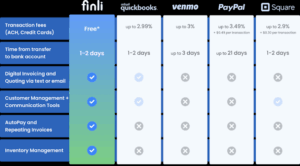
Finli provide financial institutions with operational visibility that makes proactive lending possible. Because Finli serves as the integrated platform where businesses process payments, manage invoices, and handle customer relationships, it generates real-time data that reveals actual business health.
You can see transaction volume increasing, indicating equipment or expansion needs. You can spot strong invoicing combined with lengthening collection times, signaling potential for working capital solutions. You can identify businesses adding new customers consistently, demonstrating market traction that supports credit expansion.
This real-time visibility transforms lending from a reactive, application-driven process into proactive relationship banking. Instead of waiting for businesses to apply, relationship managers can reach out when operational patterns show specific financing needs.
Why Businesses Don’t Apply
1. They Assume They Won’t Qualify
45% of small businesses that needed financing but didn’t apply said they were “discouraged” from applying. These business owners convinced themselves they wouldn’t qualify before starting an application. A business with $100,000 in annual revenue and a 720 credit score might assume banks only work with larger enterprises. A contractor with five years of profitability might believe their industry alone disqualifies them.
Real-time operational data solves this. When a relationship manager reaches out based on observed strong performance, the business owner gets immediate clarity about their eligibility.
(Source:Federal Reserve Small Business Credit Survey 2024)
2. The Application Process Feels Overwhelming
63% of business owners who applied for financing said the process was difficult or very difficult. Applications require tax returns from multiple years, detailed financial statements, business plans, cash flow projections, and personal financial disclosures. For businesses without dedicated financial staff, this means dozens of hours away from revenue-generating activities.
When financial institutions can see current transaction data, payment patterns, and accounts receivable aging through operational platforms, they can reduce documentation requirements for straightforward applications and make faster underwriting decisions.
(Source:FDIC Small Business Lending Survey 2024)
3. Timing Doesn’t Match Their Needs
59% of businesses seeking financing in 2023 needed funds to meet immediate operating expenses, while 46% required capital for time-sensitive expansion opportunities. A contractor wins a large project requiring upfront material purchases. Waiting 30-60 days for loan approval means missing the opportunity.
Transaction patterns reveal seasonal needs well in advance. A landscaping company’s transaction history shows their revenue cycle clearly. Relationship managers can structure seasonal credit facilities based on actual historical patterns and reach out before the busy season starts.
(Source:Federal Reserve Small Business Credit Survey 2023)
4. They Don’t Know What Lenders Actually Want
Without clear information about minimum revenue requirements, credit score thresholds, or collateral expectations, business owners make conservative assumptions. A sole proprietor with excellent personal credit but limited business credit history might not realize that many lenders evaluate sole proprietorships primarily on personal creditworthiness.
Proactive outreach based on operational data eliminates this uncertainty. When a relationship manager initiates a lending conversation because they’ve observed strong business performance, the business owner receives immediate clarity.
5. Past Rejection Sticks
Businesses denied for insufficient revenue three years ago often don’t realize they now easily exceed typical thresholds. The emotional impact of rejection creates lasting reluctance to try again.
When an institution reaches out to discuss financing opportunities based on recent strong performance, the conversation starts from a position of demonstrated success rather than past challenges.
6. No One Ever Asks
Only 41% of small business owners talk to someone at their financial institution about their business finances at least once every six to twelve months. Without regular touchpoints, business owners base their decisions on incomplete information or outdated experiences.
Real-time operational insights enable more substantive conversations. Instead of asking “How’s business?” relationship managers can say “I noticed your transaction volume increased 40% this quarter. Are you planning expansion?” This demonstrates genuine understanding and creates natural opportunities to discuss financing needs.
(Source:McKinsey Banking Matters Report)
How This Works in Practice
Spotting Growth Before the Business Owner Asks
A contractor’s payment volume increases significantly over three months. Their invoice amounts are getting larger. They’re adding new customers. Finli’s real-time data shows this growth as it happens. A relationship manager reaches out: “I noticed your business is growing. Let’s talk about equipment financing or a credit line to support that growth.”
The contractor never had to wonder if they’d qualify. They never had to gather months of documentation. The conversation started because the bank saw what was happening and responded.
Identifying Working Capital Needs Early
A professional services firm shows strong invoicing but collection times are lengthening. Their accounts receivable aging report shows more receivables sitting at 45-60 days. This pattern suggests they could benefit from a working capital line.
The relationship manager can reach out before the business experiences a cash crunch: “Your invoicing looks strong, but I noticed collection times extending. Let’s discuss a credit line to smooth out cash flow while you’re waiting on payments.”
Timing Seasonal Financing Right
A landscaping company’s transaction history through Finli shows the same pattern every year: revenue ramps up in March, peaks in July, and declines in October. Their February and March invoicing shows early-season contracts being signed.
The relationship manager reaches out in February: “Based on your seasonal patterns, it looks like you’ll need equipment financing or working capital soon. Let’s structure a seasonal credit facility based on your actual revenue cycle.”
The Operational Data Advantage
Finli provides financial institutions with first-party transaction data from businesses’ daily operations: payments processed, invoices sent, collection patterns, and cash flow trends. This real-time visibility supplements traditional financial statements with current operational performance.
You can identify opportunities systematically: Transaction volume increasing significantly, businesses adding new customers consistently, strong invoicing with lengthening collection times, seasonal patterns indicating predictable financing needs.
You can assess credit quality continuously: Real-time transaction data reveals early warning signs like declining transaction volumes or lengthening customer payment times weeks or months before traditional indicators deteriorate.
You can have better conversations: Instead of generic check-ins, conversations reference actual operational patterns and address specific situations the business is experiencing.
Takeaways
The gap between businesses that need financing and those that apply isn’t about creditworthiness. It’s about process barriers, unclear criteria, and business owners making assumptions about whether they’ll qualify.
Financial institutions can reach these creditworthy non-applicants by using real-time operational data to identify lending opportunities proactively, initiating conversations based on observed business performance rather than waiting for applications, reducing documentation requirements when current operational data supplements traditional financial statements, and timing outreach when it’s most relevant to specific business situations.
The businesses not applying today represent significant opportunities. When you can see your clients’ businesses as they actually operate through platforms like Finli, you can reach out at the right moment with relevant solutions. That transforms lending from an application-driven process into proactive relationship banking.